Stress Doesn’t Just Live in Your Mind
You’re sitting in your office chair. The wheels squeak against the floor. You’ve had this chair for quite some time now, and you even added that little lumbar support pad your friend recommended to help with your lower back pain.
Time feels like it’s moving at a turtle’s pace, and that big meeting is getting closer. Yet, you feel so underprepared.
You were up way too late last night worrying about how the presentation will go.
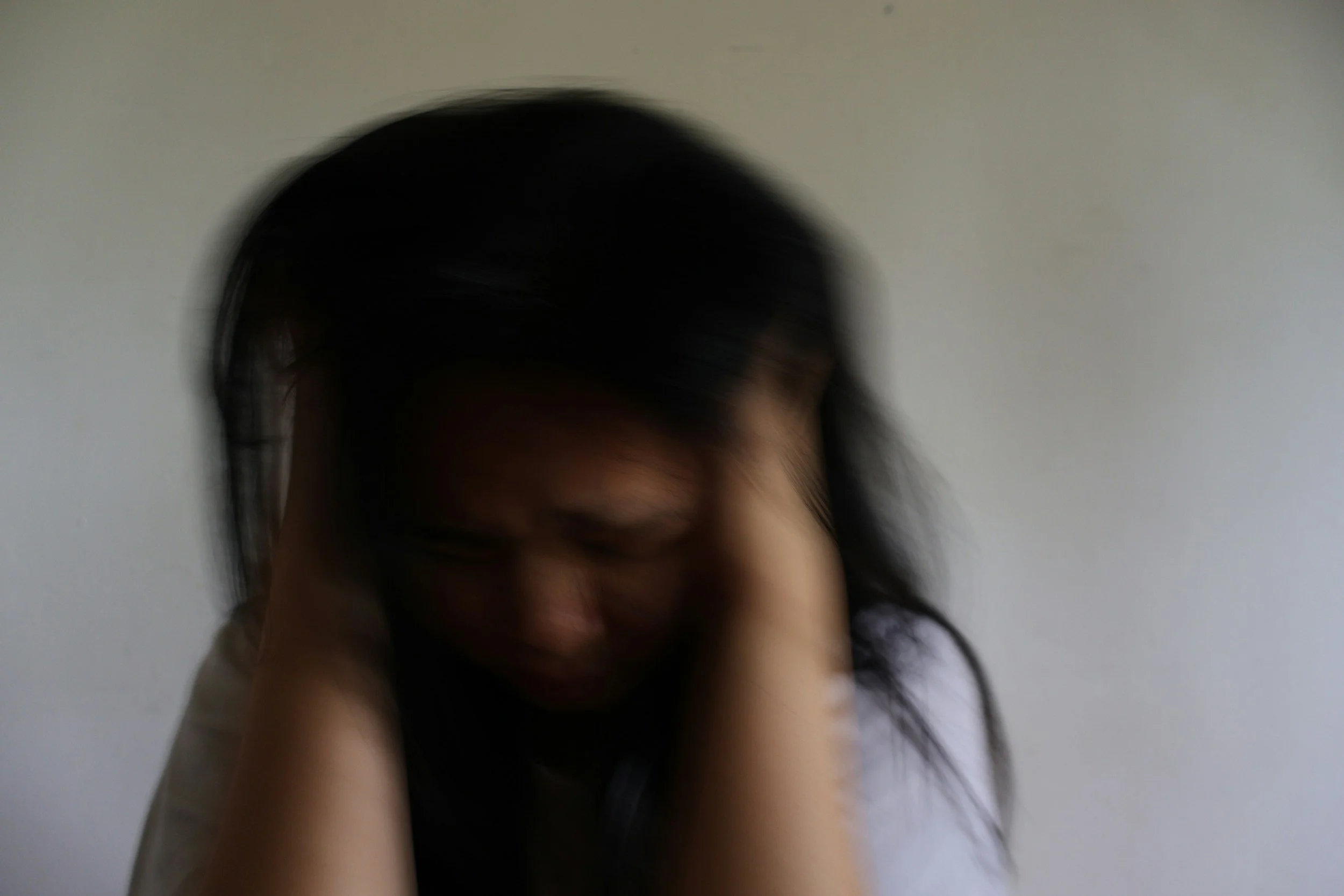
“What if I make a fool of myself?”
You clench your jaw and continue staring at the screen. The light suddenly seems way too bright. "Oof. It feels like another tension headache is coming on. Those blue-light glasses aren’t really helping, are they?’
You finally get up from your chair and head toward your meeting. Almost immediately, you notice the familiar ache in your neck and back. It’s nothing unbearable-just a dull, consistent throb.
You think to yourself:
“Of course my body is working against me on the worst possible day. I’m already so stressed.”
How did you feel when you read the story above?
Maybe you felt sorry for the person. Maybe you immediately related to them. Or possibly you spotted the pattern.
In a black-and-white world, feeling stressed would be an emotion: something we experience, process, and move on from. Unfortunately, our bodies aren’t quite that simple.
Stress is a whole-body response, not just an emotional experience.
When we experience stress, our bodies can respond in very physical ways. We may notice tension in our neck, shoulders, or back. Or develop headaches, clench our jaws, experience changes in digestion, have trouble sleeping, or even notice changes in our breathing.
And sometimes, the physical symptoms can become so familiar that we don’t immediately connect them to stress.
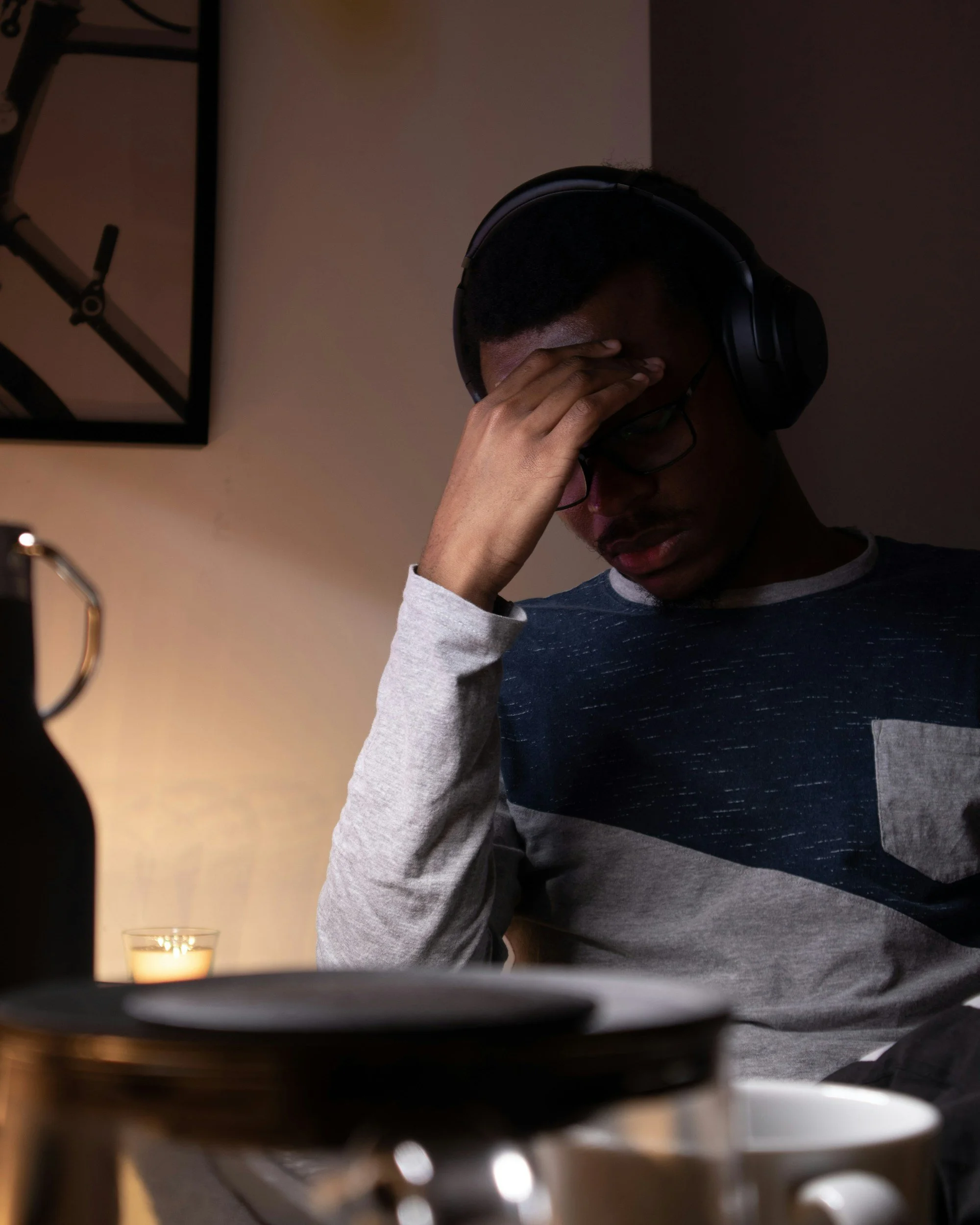
So why does this happen?
How can something happening in our minds show up as tension in our muscles, a headache, an upset stomach? And perhaps more importantly, what can we do to help our bodies when we’re stressed-or help ourselves feel less stressed in the first place?
That’s what we’re going to explore.
Why Does Stress Show Up Physically?
So, we know stress can show up in the body. But why?
Think back to our friend sitting at their desk, staring at the screen before that big meeting. Nothing physically dangerous is happening. They aren’t being chased by a bear or running from a burning building. And yet, their body is reacting as if something important needs to be handled right now.
That’s because stress isn’t just something we think or feel. It’s a physical response, too.
When your brain perceives a threat, challenge, or demand, your body can shift into a state of increased alertness. This is part of what we often call the “fight-or-flight” response. Your body is essentially preparing you to respond to whatever is happening.
Your heart rate and breathing can increase. Your muscles tense. Your body releases hormones that help coordinate this response, including hormones such as adrenaline and cortisol. Digestion can also change as your body temporarily shifts its attention toward dealing with the perceived threat.
And honestly, this response makes a lot of sense.
If you’re in immediate danger, you don’t need your body to be focused on digesting your lunch. You need it ready to react.
The interesting part is that our bodies can respond to everyday stressors in a similar way.
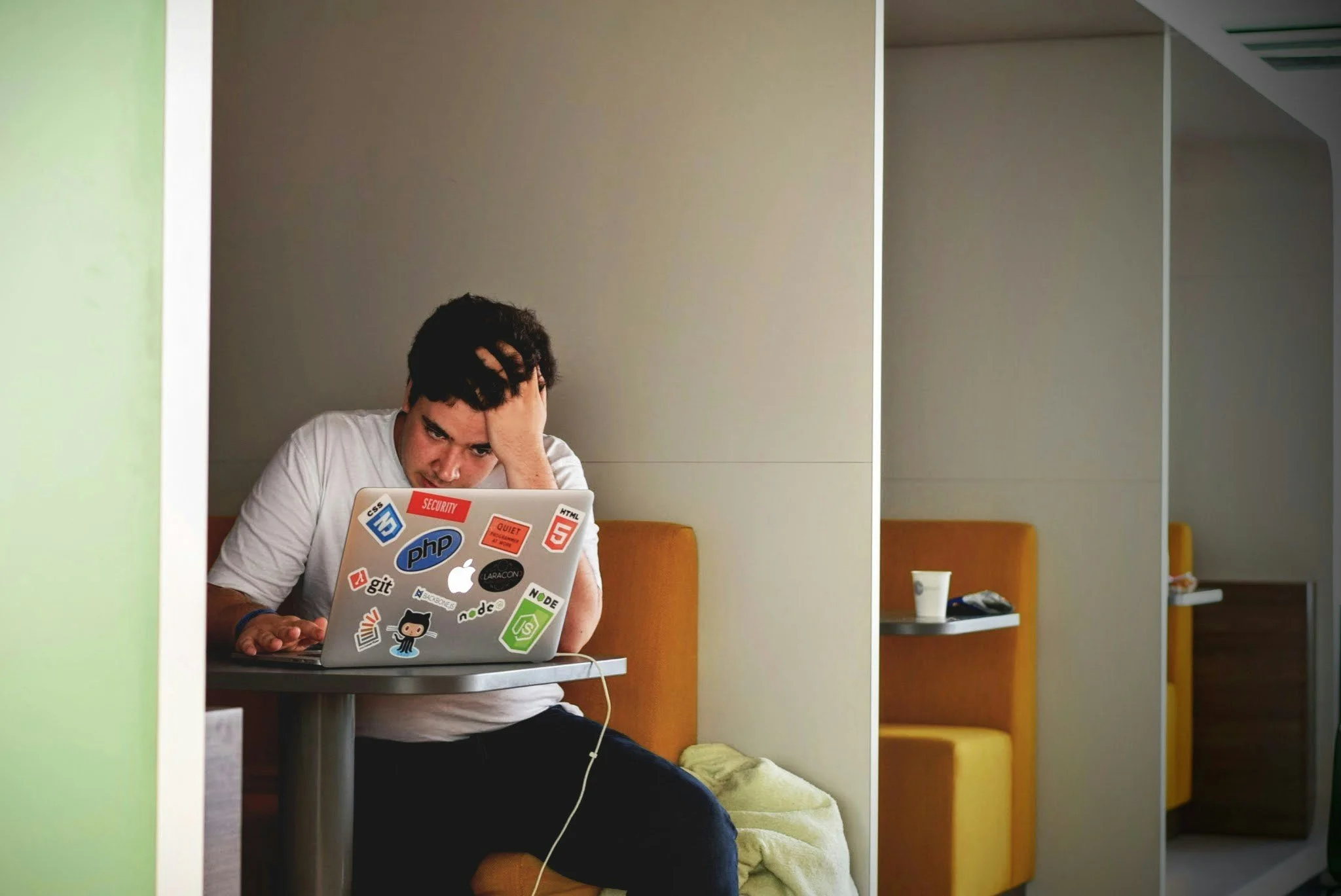
That upcoming presentation.
That difficult conversation you’ve been avoiding.
That deadline that keeps getting closer.
The never-ending list of things you need to get done.
Your body doesn’t necessarily distinguish between a physical threat and a stressful demand in the same way we consciously do. When your brain interprets something as a threat or challenge, your nervous system can respond by putting your body on alert.
And this is where we can start to see the connection between stress and those familiar aches and pains.
When we’re stressed, our muscles tense as a part of the body’s protective response. With short-term stress, that tension generally eases once the stressful situation passes. But when stress continues to grow for a long time, our muscles can remain in a more persistent state of tension or “guardedness”.
Think about our friend again.
They’re already worried about the meeting. They’ve been sitting at their desk for hours. Their jaw is clenched. Their shoulders are creeping upward. Their neck is tight.
None of these things necessarily happen all at once.
Instead, their body has been responding to stress while they continue going about their day.
Over time, those physical responses can become something we barely notice. The clenched jaw becomes normal. The tight shoulders become normal. That dull ache in the back becomes something we just assume we have to live with.
But our bodies aren’t separate from our experiences.
Stress can affect the way we feel physically, because stress is a whole-body response.
And while experiencing stress from time to time is a normal part of life, prolonged or chronic stress can place continued demands on the body’s stress-response systems. The longer that stress continues, the more important it becomes to give the body opportunities to recover and return to a less activated state.
The good news is that our bodies aren’t only capable of responding to stress. They also have a relaxation response-a state that works in the opposite direction of the stress response, helping slow the heart rate, lower blood pressure, and reduce levels of stress hormones.
So the goal isn’t to live a life completely free of stress. That’s probably not realistic.
The goal is to understand what’s happening in our bodies, recognize when we might be carrying more tension than we realize, and learn how to give ourselves opportunities to come back down from that heightened state.
Where Does the Tension Come From?
Now that we understand a little more about how the body responds to stress, let’s bring it back to something a little more familiar:
If you’ve ever caught yourself rubbing your neck at the end of a long day, rolling your shoulders because they feel “stuck”, or realized your jaw has been clenched for who knows how long, you’ve probably experienced some of these physical effects yourself.
Stress doesn’t necessarily show up in one specific place. It can affect different parts of the body in different ways, and sometimes we don’t even realize we’re experiencing it until our body gets our attention.
Neck & Shoulders
The neck and shoulders are a common place to notice tension.
When we’re stressed, our muscles can tense as part of the body’s natural response to a perceived threat or demand. If that stress continues, the tension can stick around longer than we’d like.
Maybe your shoulders slowly creep toward your ears while you’re working. Maybe you spend hours at your desk without realizing how much tension you’re carrying. Or maybe you notice that your neck feels tight every time you’re going through a particularly stressful week.
It can become so familiar that you stop thinking of it as tension at all.
You just think, “My neck always feels like this.”
Jaw
Your jaw can be another place where stress likes to make itself known.
Clenching your jaw can happen without you consciously deciding to do it. You might catch yourself doing it while concentrating, driving, working, or dealing with something stressful.
And sometimes, you don’t notice until your jaw feels tired or sore.
The tricky part is that these little habits can happen in the background of our day. We’re focused on the meeting, the grocery list, the deadline, or whatever else is demanding our attention-not necessarily on what our muscles are doing.
Back
Back tension can have many different contributors, so stress isn’t automatically the explanation for every backache. But stress can contribute to muscle tension, and prolonged periods of sitting or staying in one position can add another layer.
Think about our friend from earlier.
They’re sitting at their desk, worrying about their presentation; their shoulders are tense, their jaw is clenched, and they’ve been in the same position for hours.
By the time they stand up, their body may be giving them a very clear message:
“We’ve had enough!”
Stress and the way we spend our time physically can overlap in ways that aren’t always obvious.
Head
Have you ever had one of those days where you can practically feel a headache coming on?
Tension-type headaches can be associated with muscle tension and stress. When muscles around the neck, scalp, and shoulders remain tense, that tension can contribute to discomfort in the head as well.
This doesn’t mean every headache is caused by stress. Headaches can have many different causes, and it’s important not to assume that stress is always the answer.
But if you notice that headaches seem to show up during particularly stressful periods of your life, it may be worth looking into.
Stomach & Digestion
Remember when we said the body’s stress response can temporarily shift its attention away from digestion?
This can help explain why stress may affect how your digestive system feels.
You might notice an upset stomach, changes in digestion, or that familiar feeling of having “butterflies” before something stressful.
Again, stress isn’t the explanation for every digestive symptom. But our brains and bodies aren’t operating in completely separate worlds. When one is experiencing stress, the other can respond too.
It’s NOT About “Storing” Stress
You may have heard people say things like, “We store stress in our shoulders,” or “Your body stores emotions in your hips.”
It’s an easy way to describe the experience of feeling tension in certain areas, but the reality is a little more complicated.
Stress isn’t something that gets physically stored inside one particular muscle waiting to be released.
Instead, our bodies respond to stress.
Our muscles can tense. Our breathing can change. Our digestion can be affected. We may clench our jaw or hold ourselves differently without even realizing we’re doing it.
And when those responses happen repeatedly, they can start to feel familiar.
That distinction matters.
Your body isn’t working against you by creating these sensations. In many ways, it’s doing exactly what it’s designed to do: Responding to what it perceives as a demand or threat and trying to protect you.
The problem isn’t that your body responds to stress.
The problem can arise when it doesn’t get enough opportunities to come back down from that response.
Take a Moment to Check In
Before we move on, take a moment to notice what your body is doing right now.
Take a slow breath and notice whether you’re holding tension anywhere-your neck, shoulders, back, hands, or even your stomach.
You don’t need to change anything yet—just notice.
Sometimes the first step toward understanding how stress affects our bodies is simply becoming aware of what our bodies are telling us.
And if you just realized you've been sitting with your shoulders up by your ears this entire time, you’re definitely not alone.
Unclench your jaw and let your shoulders drop. I promise It’ll be okay.
How Long Does It Take Your Body To Recover?
So, we’ve talked about how stress can show up in the body, where we might feel it, and why those familiar aches and tensions can happen.
But there’s another question that comes up pretty quickly:
How long is this supposed to last?
Unfortunately, there isn’t a simple answer.
Our bodies don’t come with a little countdown timer that tells us exactly when stress-related tension, headaches, digestive changes, or other symptoms will disappear. Recovery can look different from person to person, and it can depend on what’s causing the stress and whether that stress is still present.
Acute Stress vs. Ongoing Stress
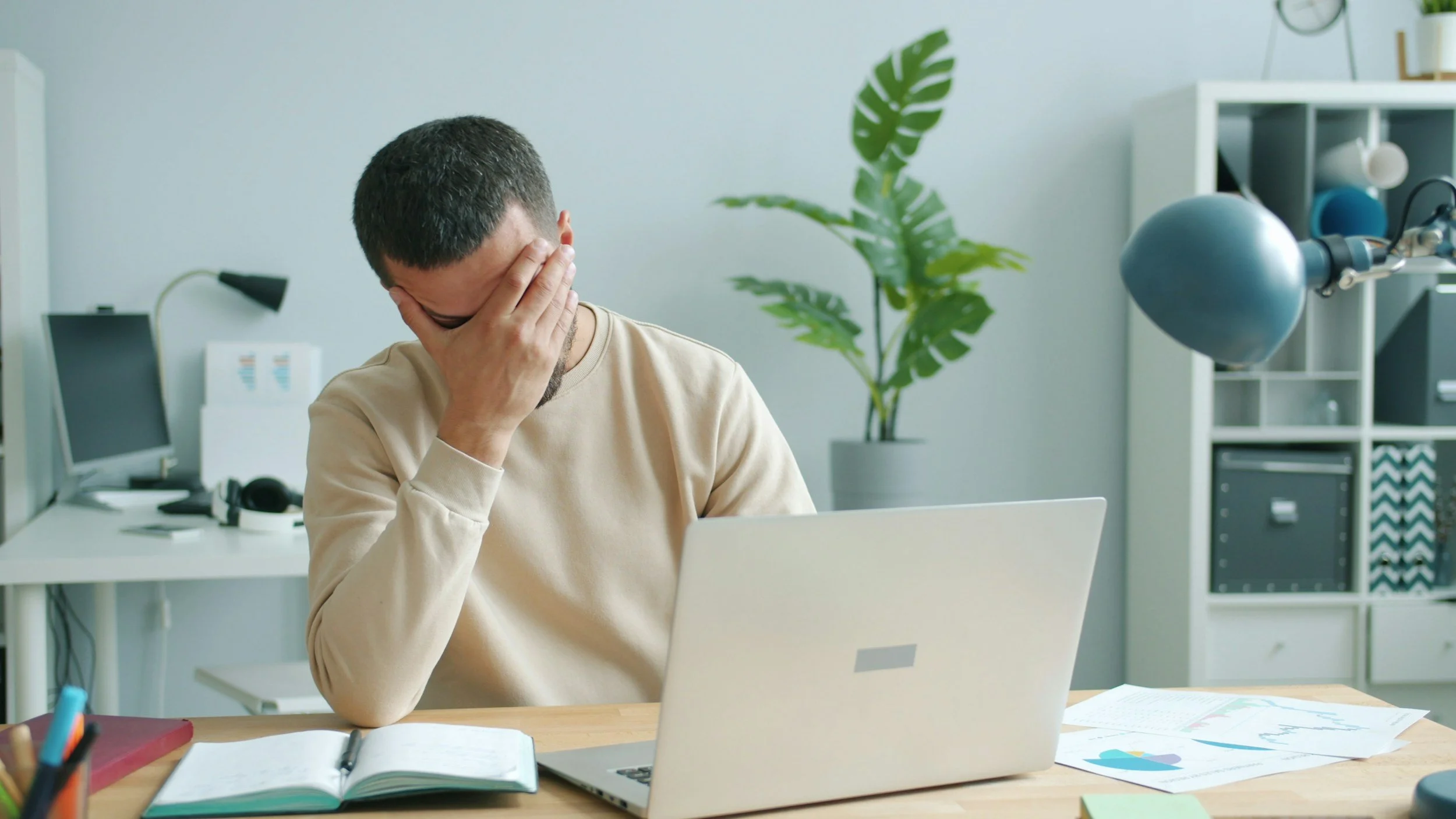
Think back to our friend from the beginning.
Maybe that big presentation is over. They walk out of the meeting, take a deep breath, and finally feel some of that pressure start to lift.
That’s an example of a stressful situation that has an ending.
Our bodies are designed to respond to stress and then move toward a more relaxed state when that threat or demand has passed. The body’s relaxation response works in the opposite direction of the stress response, helping slow down and settle the body.
But what happens when the stressful situation doesn’t really end?
Maybe the presentation was only one thing on a very long list.
The deadline is tomorrow.
Your inbox is overflowing.
You’re not sleeping well.
You have another difficult conversation waiting for you.
Then another deadline appears.
Instead of one stressful event followed by an opportunity to recover, your body may experience stress again, and again, and again.
And that’s where things can become more complicated.
When Stress Becomes Chronic
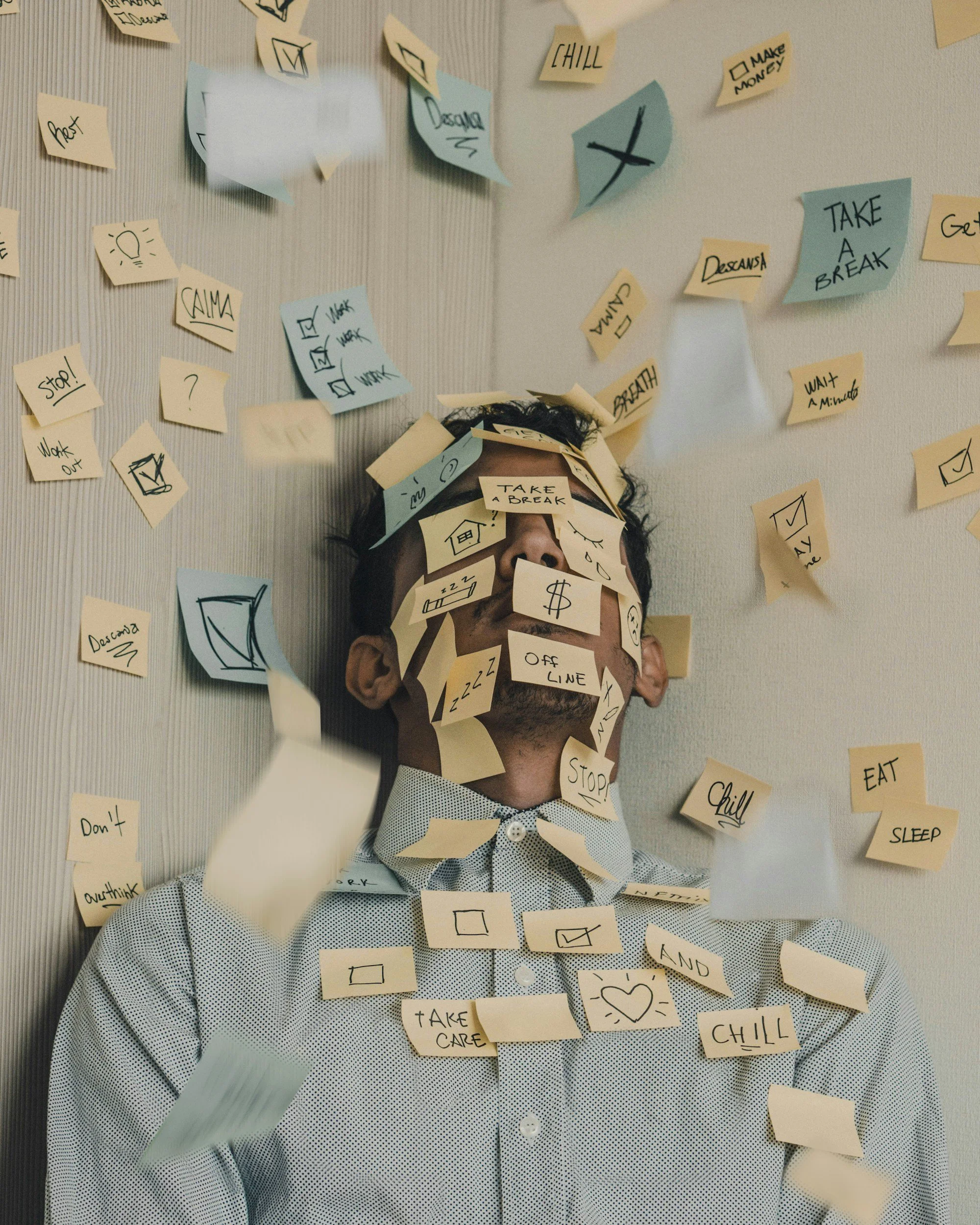
Stress that continues over an extended period is often referred to as chronic stress. Unlike a stressful situation that comes and goes, chronic stress can keep the body’s stress-response systems activated or repeatedly activated over time.
Long-term stress has been associated with a variety of physical and mental effects, including problems with sleep and muscle pain.
This is one reason it can be difficult to answer the question, “When will my body feel normal again?”
If the source of stress is still there, your body may not be getting much of a chance to fully settle.
It’s a little like trying to relax while someone keeps tapping on your shoulder.
You might manage to relax for a moment, but then-
Tap.
You’re alert again.
Recovery Isn’t Just About Waiting
This doesn’t mean that every ache or symptom is caused by stress, or that simply removing stress will make every symptom disappear.
Our bodies are complicated, and physical symptoms can have many different causes.
But if you’ve noticed that your body feels different during particularly stressful periods of your life. it may be worth paying attention to the pattern.
Instead of asking only, “How long until this goes away?”
We can also ask: “What is my body experiencing right now, and what can I do to give it an opportunity to recover?”
That might mean getting enough sleep, moving your body, taking a break, practicing relaxation, spending time with people who help you feel grounded, or looking at whether there are ongoing sources of stress that you can change.
The goal isn’t to eliminate every stressful moment of your life. That’s not realistic. The goal is to create more opportunities for your body to move between stress and recovery, rather than living in a constant state of being “on.”
Give Yourself Some Grace
If you’ve been under a lot of stress for a long time, it may not be realistic to expect your body to feel completely different overnight.
Recovery isn’t a race, and there isn’t one timeline that applies to everyone.
Sometimes the first step is simply noticing.
Noticing that your shoulders are tense.
Noticing that you’re clenching your jaw
Noticing that you’ve been holding your breath while answering emails.
Noticing that you’re exhausted but still pushing through.
Your body is constantly giving you information.
Learning to listen to it is part of learning how to care for it.
And once we start paying attention, we can start asking a better question-not just “How do I get rid of this feeling?”, but “What does my body need right now?”
A Quick Reminder
While stress can contribute to physical symptoms, it isn’t always the reason we’re experiencing pain, headaches, digestive changes, or other symptoms.
If something feels new, severe, persistent, or concerning, it’s important to talk with a qualified healthcare professional rather than assuming stress is the cause.
This article is meant to help you better understand the relationship between stress and the body- not to diagnose or treat a medical condition.
How Can We Help Our Bodies Come Out of Stress Mode?
We can’t- and don’t need to-eliminate stress from our lives. Stress is a normal part of being human. But when stress becomes prolonged or happens repeatedly, finding ways to support your body’s recovery can be helpful.
There are many simple, non-medical ways to encourage your body to slow down and recover.
Breathe slowly & comfortably: Taking a few slower, easier breaths can give you a moment to pause and reconnect with your body.
Move Regularly: Walking, exercising, or simply changing positions throughout the day can help release physical tension and interrupt long periods of sitting.
Try Gentle Stretching: Stretching can be a simple way to bring awareness to areas where you tend to hold tension.
Prioritize Sleep & Consistent Routines: Rest allows your body to recover, while predictable routines can create a greater sense of stability.
Spend Time Outdoors: A walk, sitting outside, or simply getting some fresh air can provide a change of environment and an opportunity to slow down.
Make Space For Relaxation: This might look like quiet time, meditation, progressive muscle relaxation, reading, taking a warm bath, or another activity that helps you feel settled.
Stay Connected: Spending time with people you trust can provide support when life feels overwhelming.
Take Breaks From Prolonged Work Or Sitting: Even short breaks to stand, walk, stretch, or change positions can help you check in with how your body is feeling.
Consider Massage As One Part Of Self-Care: Massage may be one way to support relaxation and address some of the muscle tension that can accompany stress. It doesn’t have to be the whole solution.
Look At The Source Of Ongoing Stress: When possible, addressing the things contributing to chronic stress can be just as important as finding ways to relax afterward.
The goal isn’t to live in a completely stress-free life. Instead, it’s about creating opportunities for your body and mind to recover-and noticing what helps you feel more grounded, rested, and capable of handling what’s next.
If stress is persistent, significantly affecting your daily life, or accompanied by concerning physical or emotional symptoms, consider speaking with a qualified healthcare professional.
Overview & Takeaways
Stress is both a mental and physical experience. It can influence how we think and feel, but it can also show up throughout the body through things like muscle tension, headaches, digestive changes, fatigue, and disrupted sleep.
The goal isn’t to eliminate every stressful moment. Stress is a normal part of life. Instead, the goal is to recognize how stress may be affecting you, create opportunities for your body to recover, and find healthy ways to support yourself when stress becomes ongoing.
Pay attention. Make space to recover. And remember that caring for your body starts with listening to it.
Sources
National Center for Complementary and Integrative Health (NCCIH) -Stress
American Psychological Association (APA) - Healthy Ways to Handle Life’s Stressors
National Institute of Mental Health (NIMH) - I’m So Stressed Out! Fact Sheet
Cleveland Clinic - Stress: What It Is, Symptoms, Management, & Prevention